
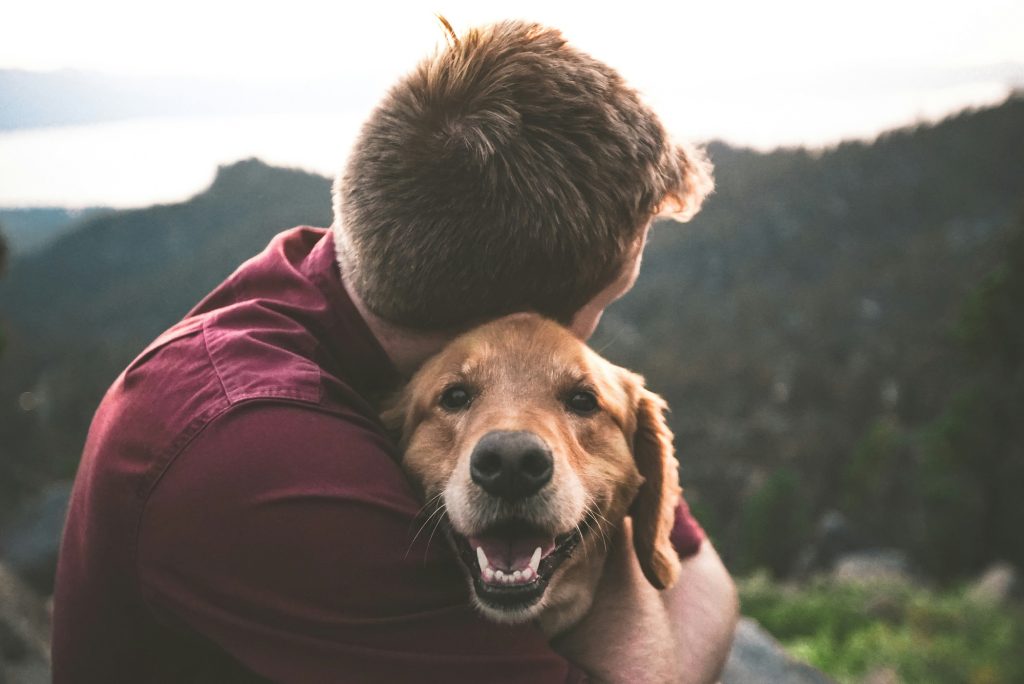
Do you plan to bring your pets to Panama? While it can be an exciting experience, navigating international pet travel requires careful preparation to ensure a smooth transition for your furry companions. This comprehensive guide outlines the requirements set by the Panamanian government for bringing pets into the country, along with essential tips and pet regulations in Panama. We’ll cover everything you need to know about Panama pet import requirements for cats and dogs, helping you embark on this exciting journey with confidence.
Important Disclaimer: Pet import regulations can change. Always confirm the latest requirements with the Panamanian Ministry of Health (MINSA), Ministry of Agricultural Development (MIDA), or consult with an immigration lawyer specializing in pet relocation to Panama before your travel date.
Pets to Panama: A Step-by-Step Guide for Cats & Dogs
Ensuring a smooth entry for your beloved companion starts with meticulous preparation. Upon arrival at Tocumen International Airport in Panama, pet owners must be well-prepared to fulfill specific requirements set by Panamanian authorities. Here’s a detailed, step-by-step guide to help you smoothly navigate the process of bringing your cat or dog into Panama.
Before You Travel: Essential Pre-Arrival Steps
The key to a hassle-free Panama pet import lies in preparing thoroughly before your departure.
- Microchip Implantation: Ensure your pet has an ISO-compliant microchip. While specific Panamanian regulations sometimes vary on mandatory microchipping for entry, it’s a universal best practice, often required by airlines, and essential for all other necessary documentation to be valid.
- Certificate of Good Health and Vaccination Records:
- Obtain a Certificate of Good Health for Exportation issued by a licensed veterinarian in your home country. This certificate must be endorsed (or “consularized”) by an official governmental veterinary authority in your country (e.g., USDA in the US, CFIA in Canada).
- This certificate must be dated no more than ten (10) days before your travel date.
- Ensure the certificate includes essential details: your pet’s name, species, breed, sex, color, date of birth, microchip number, and birthplace.
- Comprehensive Vaccination Records: Your pet must be up-to-date on all required vaccinations. For dogs, this typically includes rabies (administered at least 30 days and no more than 12 months before travel), distemper, hepatitis, leptospirosis, and parvovirus. For cats, rabies, feline viral rhinotracheitis, panleukopenia, and feline leukemia are standard.
- Parasite Treatments: Provide proof of recent internal (deworming) and external (flea/tick) parasite treatments administered by your veterinarian within the specified timeframe (often 10-15 days before travel).
Authentication of Documents:
- The Certificate of Good Health (endorsed by your government’s veterinary authority) often needs further authentication.
- If your country is part of the Hague Apostille Convention, you may need to get an Apostille from the designated authority (e.g., the Secretary of State’s office).
- If your country is not part of the Apostille Convention, you will need to send the authenticated certificate to the nearest Panamanian Consulate for consular legalization.
- There is usually a consular fee (e.g., USD 30), payable by the method specified by the consulate (money order, bank deposit).
- Request for Zoosanitary Import Permit (MIDA):
- Before your pet travels, you often need to apply for a Zoosanitary Import Permit from Panama’s Ministry of Agricultural Development (MIDA). This is typically done by emailing the required documents (scans of health certificate, vaccination record, microchip info) to the MIDA veterinary office at Tocumen. This permit needs to be pre-approved.
- Request for Home Quarantine (MINSA):
- Submit a request for Panama Home Quarantine to the Panama Ministry of Health (MINSA) via email (e.g., cam@minsa.gob.pa). This request should be sent at least 3 to 5 business days (días laborales) before your pet’s arrival.
- Include details such as arrival date, flight number, time, pet information, the accompanying adult’s name and passport number, and the intended length of time the pet will stay in Panama.
Upon Arrival: Navigating the Airport Process
Once you land at Tocumen International Airport (PTY), here’s what to expect:
- Initial Review and Inspection:
- Upon deplaning, proceed to the Animal Health Quarantine office at the airport.
- The Panama Airport Health Department (MINSA veterinarians) will review all your submitted papers and perform a physical inspection of your pet. They will check the microchip (if applicable) and verify all documentation.
- Be prepared for several fees to be paid in cash (USD) at the airport:
- MIDA Import Permit Fee: Approximately USD 25 for the first pet, $10 USD for additional pets.
- MINSA Veterinary Inspection Fee: Approximately $10-USD 15.
- Home Quarantine Fee: USD 130.
- Veterinarian Availability at Tocumen:
- MINSA veterinarians are typically available at the airport Monday to Friday, from 8:00 a.m. to 10:00 p.m. (or 11:00 p.m.).
- Crucial Tip for Weekend/Off-Hour Arrivals: If your pet arrives on a weekend, a Panamanian national holiday, or outside official hours, it is highly likely that your pet will be kept in the airport kennels until the next business day when a MINSA veterinarian is available for inspection. This will incur additional kennel fees (often around $25-$50 per day) and can be stressful for your pet. Plan your arrival accordingly or make explicit, pre-confirmed arrangements with MINSA well in advance for after-hours service (which may also involve extra fees).
- Quarantine Procedures:
- Pets entering Panama are subject to a 40-day home quarantine. This means you commit to keeping your pet inside your home for this period. The USD 130 fee for this is paid in cash at the airport. This is generally a straightforward process if you adhere to the commitment.
Special Considerations for Exotic Pets
While bringing dogs and cats into Panama follows a well-defined process primarily dependent on proper documentation, exotic pets involve a much more intricate procedure. This necessitates obtaining specific approvals from relevant international organizations and close coordination with specialized Panamanian agencies established to safeguard their natural environment.
Key Recommendations for a Smooth Pet Relocation:
- Start Early: Begin the process of gathering documents, vaccinations, and certifications several months before your intended travel date, as some steps (like rabies vaccine timing or Apostille/consular processes) can take time.
- Confirm with Officials: Always re-confirm the latest Panama pet import requirements directly with the Panamanian Ministry of Health (MINSA) or Ministry of Agricultural Development (MIDA) via their official contact channels. Regulations can change without immediate public announcement.
- Hire a Specialist: Consider engaging an immigration lawyer in Panama who specializes in pet relocation. They can provide up-to-date guidance, help with pre-arrival permit applications, and even assist at the airport, making the process significantly smoother.
- Prepare for Cash: Have enough US Dollars in cash for all airport fees, as card payments are generally not accepted for these specific services.
- Pet Carrier Comfort: Ensure your pet’s travel carrier meets IATA requirements and is comfortable for the journey, with absorbent bedding and access to water. Label it clearly.
By understanding and meticulously fulfilling these Panama pet regulations, you’ll contribute to a positive experience for both you and your furry friend as you embark on this exciting journey to bring your pets to Panama.