For decades, Panama has been marketed as a tropical paradise where your dollar goes further, and the sun never sets on your retirement. But as we move through 2026, the narrative is changing. The quality of life in Panama for expats is no longer a “one-size-fits-all” experience found in the skyscrapers of the capital.
Today, a significant paradox has emerged: while Panama continues to lead global retirement indexes, the urban experience is facing growing pains that are pushing the most successful expats toward the interior provinces.
The Panama City Paradox: Luxury vs. Bureaucracy
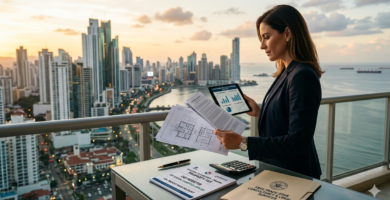
Panama City remains the economic engine of Central America, offering world-class amenities, high-speed fiber optics, and a culinary scene that rivals major North American cities. However, for the high-net-worth expat, the city is becoming a “golden cage.”
The issue lies in the public infrastructure vs. private lifestyle gap. While you can live in a multi-million dollar condo in Punta Pacifica, you are still subject to an urban bureaucracy that often prioritizes political ties over merit-based efficiency. This is particularly evident in the public health sector. As I’ve often pointed out, the bottleneck in Panama isn’t a lack of modern equipment, but the administrative “red tape” and union influence that prevent the system from operating at the speed of the private sector. For those who value their peace of mind, the “city noise”—both literal and bureaucratic—is driving a migration toward more intentional living.
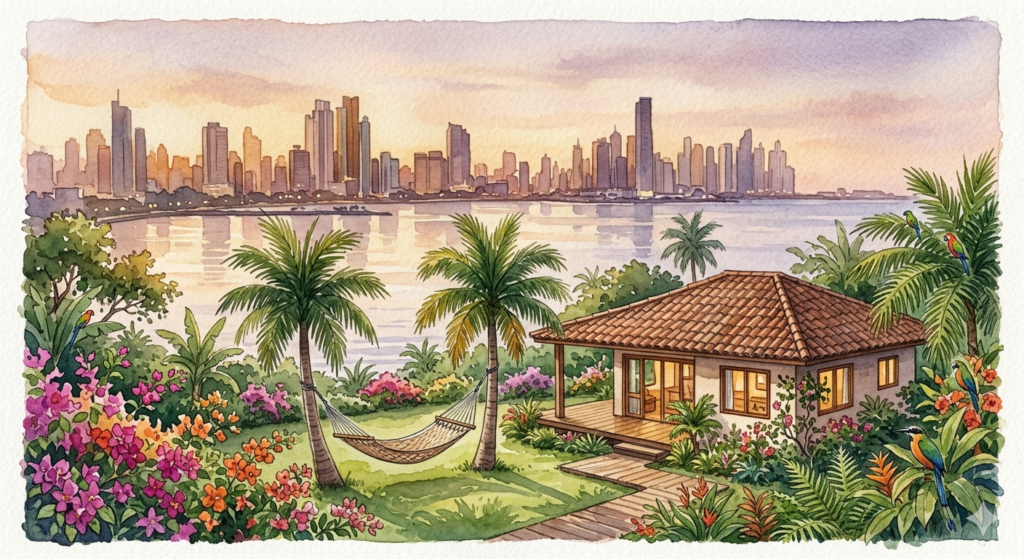
Why the “Panama Dream” is Moving Interior
The 2026 data show a clear trend: the most satisfied expats are those relocating to “Secondary Hubs” in the interior. This isn’t just about saving money; it’s about reclaiming quality of life.
- The Escape from the “Urban Heat Island”: As global temperatures rise, the concrete-heavy design of Panama City has created a microclimate that spikes electricity bills and limits outdoor activity. The interior, specifically the highlands of Chiriquí or the coastal breezes of Pedasí, offers a vastly superior “thermal comfort” that city dwellers are beginning to envy.
- Infrastructure Decentralization: The government’s $11 billion investment in roads and health centers is finally bearing fruit in the provinces.
- Community over Tumult: In the interior, you avoid the “crowd culture.” You can enjoy the Panamanian lifestyle without the friction of metropolitan traffic or the impersonality of high-rise living.
Cost of Living Breakdown: 2026 Expat Budgets
To understand the quality of life in Panama for expats, one must look at the real numbers. Inflation has stabilized, but the “location tax” is real. Your ROI (Return on Investment) in terms of happiness is currently higher in the $2,500 – $4,500 range when spent outside the capital.
| Expat Lifestyle Tier | Monthly Budget (USD) | What to Expect |
| Sustainable Local | $900 – $1,500 | Living in mid-sized towns (David, Las Tablas), focusing on local markets and community-based health plans. |
| Premium Coastal/Highland | $2,500 – $4,000 | Modern villas in Boquete or Coronado, full private insurance, and frequent travel. |
| High-Net-Worth Luxury | $6,500+ | Exclusive enclaves (Buenaventura, Ocean Reef), private aviation, and high-end imported lifestyle. |
Is Panama Still the “Expat King”?
The answer is yes, but only if you are willing to look beyond the brochures. The quality of life in Panama for expats in 2026 depends on your ability to navigate the local nuances. Success here means leveraging the private health hubs of the city when necessary, but building your daily life where the air is cleaner and the bureaucracy is a distant memory.
Panama is no longer just a place to “retire cheap”; it’s a place to live strategically. Whether it’s the booming “West” in Costa Verde or the serene coasts of Azuero, the true Panama Dream has moved—and it’s waiting for you to catch up.