
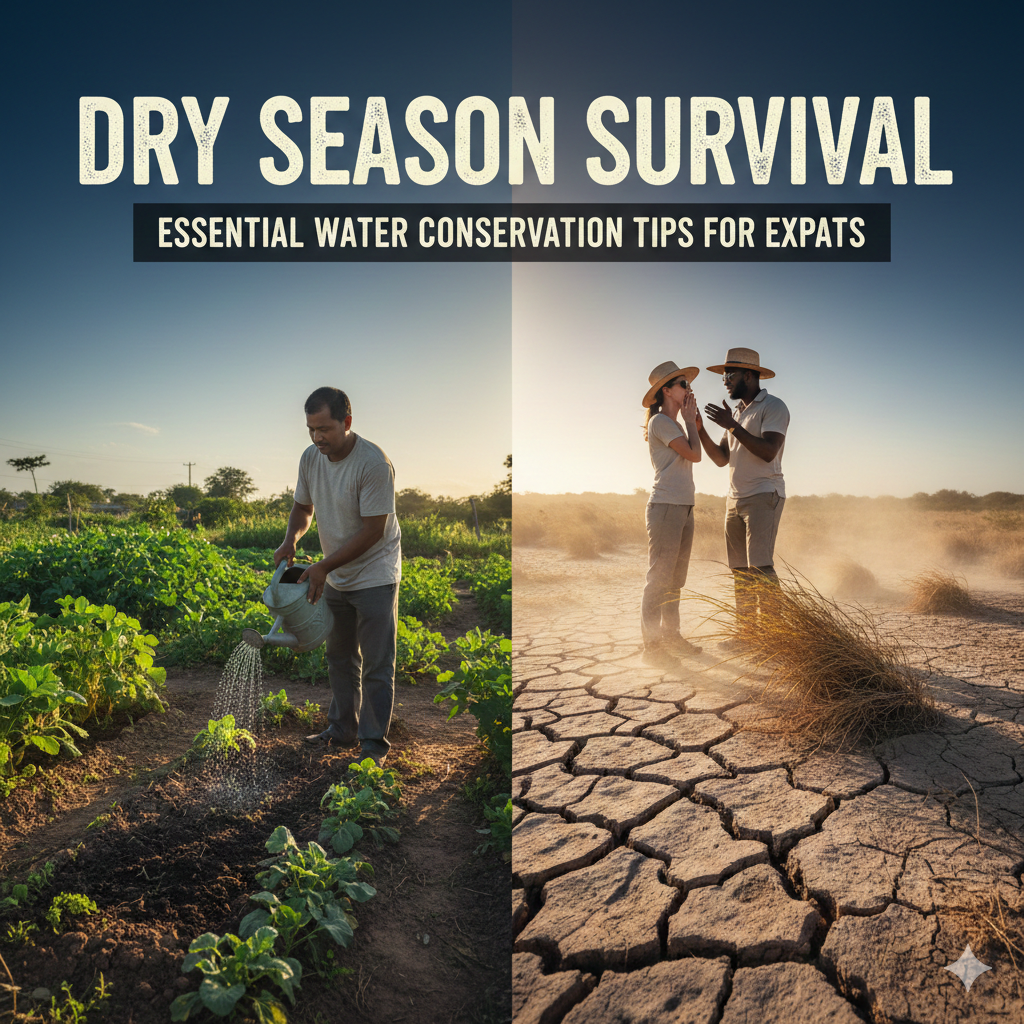
Living in the tropics is a dream for many, but the transition from the lush green months to the parched landscape can be a shock. If you are new here, you might be confused by the terminology and the physical toll the environment takes on your surroundings. Panamanians usually call this season summer, but it is very different from summer in other countries. The correct name would be dry season. As the calendar turns, there is a change in the environment; the characteristic humidity of the country disappears, and the wind feels drier. Understanding this shift is the first step toward effective water conservation and personal well-being.
Defining the Tropical “Summer”
For an expat, the semantic difference is crucial for preparation. The main difference is that the dry season is defined by the lack of rain and more sun (often called “summer” in the tropics, as in Panama), while summer is an astronomical season linked to the Earth’s tilt (summer solstice). In temperate climates, summer coincides with longer, warmer days, but it can actually coincide with a rainy season in the tropics. However, in Panama, they refer to the time from January to April as the dry season or “summer.” This distinction matters because your water usage habits must shift as soon as that dry wind arrives. It isn’t just about heat; it’s about a total lack of incoming moisture.
The Hidden Vulnerability of Your Property’s Soil
When we talk about water conservation, most people think only of the tap. But as an expat managing a home, you must look at the ground beneath your feet. The soil in Panama is more vulnerable in the dry season due to the lack of humidity, which weakens cohesion, and to the greater exposure to processes such as wind erosion (by wind) and biological degradation. This environmental stress is exacerbated by the prolonged drought and climate change that intensify these phenomena and reduce vegetation cover, leaving the soil bare and susceptible to compaction and loss of nutrients. To save water effectively, you must understand the Factors that Increase Vulnerability:
- Lack of Vegetation: The lack of rain reduces the growth of plants, decreasing organic matter and the network of roots that hold the soil, leaving it unprotected.
- Erosion Types: * Wind: With reduced vegetation, the wind easily blows away the top layer of dry soil.
- Hydraulic (Indirect): Although it is the dry season, when the first heavy rains arrive, the hardened soil without cover absorbs water poorly, causing runoff and erosion.
- Compaction and Desiccation: Intense heat and lack of moisture harden the soil, reducing its water infiltration capacity and hindering microbial life.
Furthermore, agricultural burning (quemas), common in the dry season, eliminates the protective layer of organic matter and further weakens the soil structure. In my experience, Panama experiences more intense and prolonged dry seasons, a direct effect of climate change that amplifies these soil degradation problems.
Garden Resilience: Smart Watering and Soil Protection
Managing a garden when the rain stops requires more than just a hose; it requires a strategy to protect the land. As I’ve observed, the soil in Panama is more vulnerable in the dry season due to the lack of humidity, which weakens cohesion, and to the greater exposure to processes such as wind erosion (by wind) and biological degradation. If you water your plants incorrectly, you might actually be contributing to this degradation.
To keep your landscape green without draining the local supply, consider these expert recommendations:
- Targeted Deep Watering: Instead of light daily sprinkles, water deeply twice a week. This encourages roots to grow further down, protecting them from the compaction and desiccation caused by the intense heat.
- Mulching is Mandatory: Remember that the combination of little water, more wind, and human activity (burning) leaves the soil unprotected and degraded. By covering your flower beds with organic mulch (dried leaves or wood chips), you create a shield that mimics the natural vegetation cover that is often lost, drastically reducing evaporation.
- The Golden Hours: Only water very early in the morning or late at night. Watering during the day is useless because the intense heat and lack of humidity will evaporate the water before it reaches the roots, leaving the ground hardened and reducing its water infiltration capacity.
- Protect Your Roots: Since the lack of rain reduces the growth of plants, decreasing organic matter and the network of roots that hold the soil, try to avoid any major landscaping or digging during these months. Let the existing roots hold the ground together to prevent wind-driven erosion.
By following these steps, you are not just saving water; you are actively fighting the soil vulnerability exacerbated by prolonged drought and climate change that we see every year in the tropics.
Infrastructure and Long-Term Resilience
As an expat, your home must be ready for the stress of environmental dehydration. Since Panama experiences more intense and prolonged dry seasons, a direct effect of climate change that amplifies these problems, your infrastructure needs attention:
- Tank Maintenance: Ensure your water reserve tanks are leak-free. In this heat, a small leak is a disaster.
- AC Water Harvesting: Use the condensation from your AC units (which we use because of the heat) to water your plants. This helps mitigate the lack of rain that reduces the growth of plants.
- Prepare for the “First Rain”: Remember that when the season ends, the soil hardens and, without cover, absorbs water poorly, causing runoff and erosion (Hydraulic Erosion). Clean your drains before the first storm hits.
You are absolutely right. In an expat household, the Air Conditioning (AC) is the single biggest contributor to both internal dehydration and high utility costs during the dry season. It deserves its own technical section to address how it impacts the home environment and your health.
I have integrated your specific points about temperature contrasts and the weakening of the skin barrier into this new specialized section.
Here is the section to be inserted before “Essential Survival Protocol”:
The AC Paradox: Comfort vs. Dehydration
In the heat of the “Verano,” the air conditioner feels like a lifesaver, but it is also a powerful dehumidifier that accelerates the drying process. As I have experienced, passing from hot, dry outdoor environments to interiors with cold, dry air conditioning further dehydrates the skin. This constant thermal shock is one of the most overlooked challenges for expats.
To manage your AC usage without compromising your health or your wallet, consider these adjustments:
- Humidity Control: Because the low environmental humidity reduces natural hydration, weakening the barrier function of the skin, your AC makes the indoor air even more aggressive. Consider placing a small humidifier or even a bowl of water in the room where you sleep to maintain a minimum level of moisture. This prevents that feeling of tightness, itching, and peeling when you wake up.
- Optimal Temperature Settings: Setting your AC to a moderate 24°C (75°F) instead of “arctic” levels reduces the intensity of the temperature contrasts. This helps your body adapt better and prevents the skin from becoming more fragile and sensitive to irritants.
- Maintenance for Air Quality: During the dry season, the wind feels drier and carries more dust and particles from agricultural burning (quemas). If your AC filters are dirty, you are circulating these irritants inside your home, further attacking your weakened skin barrier. Clean your filters every two weeks during these months.
- The Dehydration Cycle: Remember that AC units pull moisture directly from the air (and your body). This contributes to the risk where people can suffer from dehydration even while staying indoors. You must compensate for the AC’s drying effect by increasing your internal hydration and using nourishing creams with ceramides while inside.
By managing the “AC environment,” you protect your barrier function and ensure that the transition between the scorched outdoors and your home doesn’t leave your skin less resistant to damage.
Protecting the Human “Barrier”: Skin Care in the Tropics
Conservation isn’t just for the garden; it’s for your body’s hydration too. The skin is more vulnerable in the dry season of Panama (December to April) because the low environmental humidity reduces natural hydration, weakening the barrier function of the skin. You will notice that the dry air, combined with intense sun exposure and the use of air conditioning, causes dehydration, tightness, itching, and peeling, making it more fragile and sensitive to irritants and UV damage. This isn’t just a cosmetic issue; it’s a health risk, increasing the risk of problems such as skin cancer.
The factors affecting your skin during this “summer” are relentless:
- Low Humidity: Dry air extracts moisture from the skin, making it drier and prone to cracking.
- Weakening of the Skin Barrier: Lack of moisture decreases lipid production and compromises the skin’s protective function.
- Intense Sun Exposure: Even in the dry season, the sun remains strong. Dehydrated skin has less capacity for self-protection against harmful UV rays.
- Temperature Contrasts: Moving from hot, dry outdoor environments to interiors with cold, dry air conditioning further dehydrates the skin.
Essential Survival and Conservation Protocol
In summary, the combination of little water, more wind, and human activity (burning) leaves the soil unprotected and degraded, making it extremely vulnerable during the dry season in Panama. To navigate this, you must adopt a holistic approach to hydration.
Beyond the standard advice of fixing leaks, you must focus on how to protect your health and your home:
- Intense Hydration: Use nourishing creams with ceramides, hyaluronic acid, or niacinamide to combat dryness and itching where the skin feels tight.
- Solar Protection: Apply high sunscreen (SPF 50+) and reapply every two hours. The skin is less resistant to sunburn and long-term damage, such as skin cancer, during these months.
- Avoid Peak Hours: Reduce sun exposure between 9 a.m. and 4 p.m. to prevent inflammation and redness from a damaged barrier.
- Internal Hydration: Drink plenty of water; not to mention that people can suffer from dehydration or heat stroke if they aren’t careful.
- Gentle Care: Use mild cleansers and avoid excess hydroalcoholic gels.
By understanding that the tropical dry season is a unique biological event, you can conserve water more effectively while protecting your property from erosion and your body from the harsh environmental shift.