
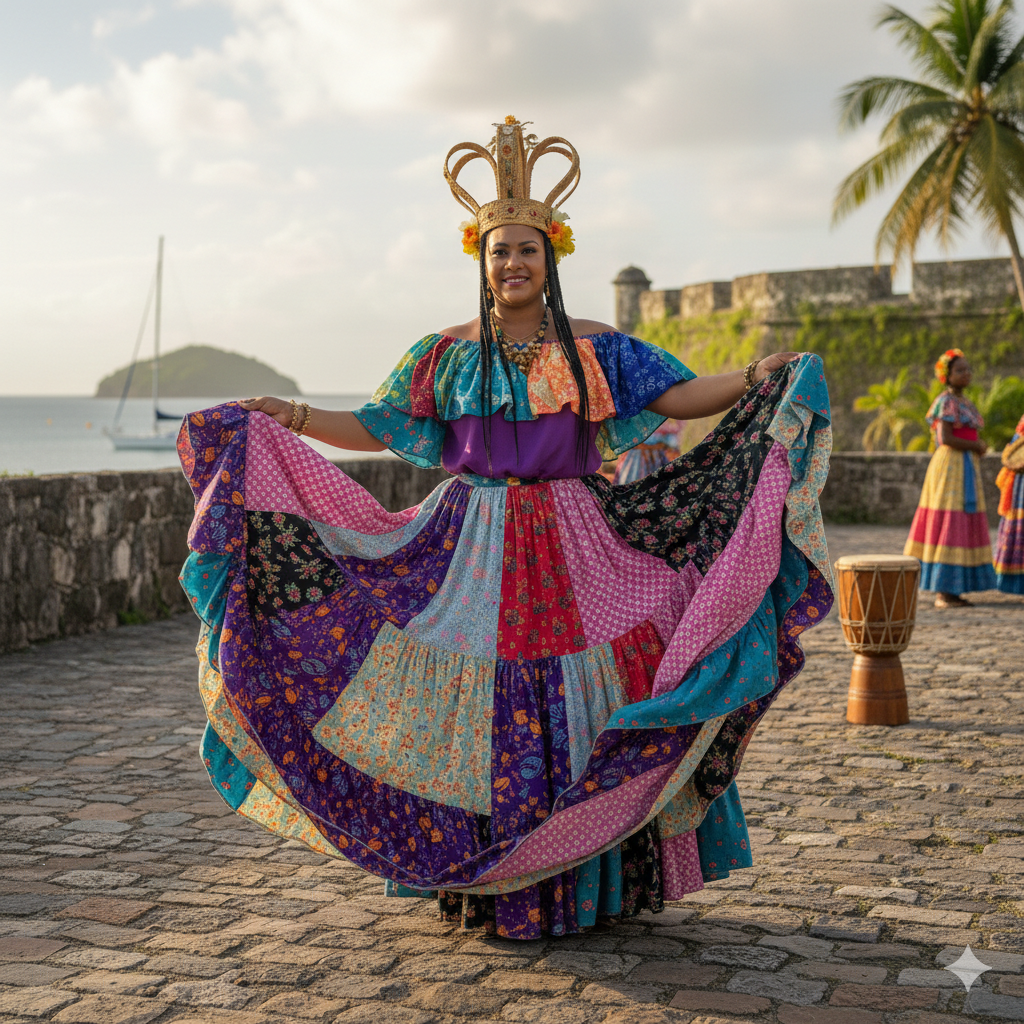
While the gleaming skyscraper of Panama City represents the country’s modern ambition, the Atlantic coast holds its ancient heart. For many in the global expat community—particularly those from the African diaspora—moving to Panama is more than a change of scenery; it is a cultural homecoming. To truly live in Panama is to understand the rhythmic, resilient, and vibrant Afro-Caribbean heritage that defines the province of Colón.
I. The Roots of the Isthmus: From Discovery to Defense
The history of the Panamanian Caribbean began with the arrival of the first European explorers. Rodrigo de Bastidas first reached these shores in 1501, followed by Christopher Columbus in 1502. Historically, their arrival was recorded as accidental, as they were seeking a route to the East Indies.
By 1542, the Spanish Empire established the “Galeones” Trade Fair system on the Isthmus. Initially, the trade took place at Nombre de Dios, but the bay’s lack of protection led to the relocation of operations to Portobelo. This deep, natural bay provided a protective mantle, perfect for installing a sophisticated fortified defense system. This security was vital, as the constant threat of piracy and looting by buccaneers challenged the stability of the Spanish colonies and their commercial treasures.
II. The Strategic Evolution: From Railroads to the Canal
The province of Colón has always played a determining role in Panama’s economic destiny. The modern City of Colón was born of the boom in transoceanic railroad construction in 1851, originally founded as Aspinwall.
During the colonial era, this region served as the strategic funnel for treasures traveling from South America (especially Peru) toward Spain. Today, its destiny remains linked to its privileged geography as the Northern Terminal of the Panama Canal. Strategically located in the center of the province, the city currently hosts over 204,000 inhabitants. It remains a city of transit, just as it was during the California Gold Rush, inviting expats and travelers to explore its exotic coastal landscapes and monuments of a glorious past.
III. The Congo Legacy: A Masterclass in Living History
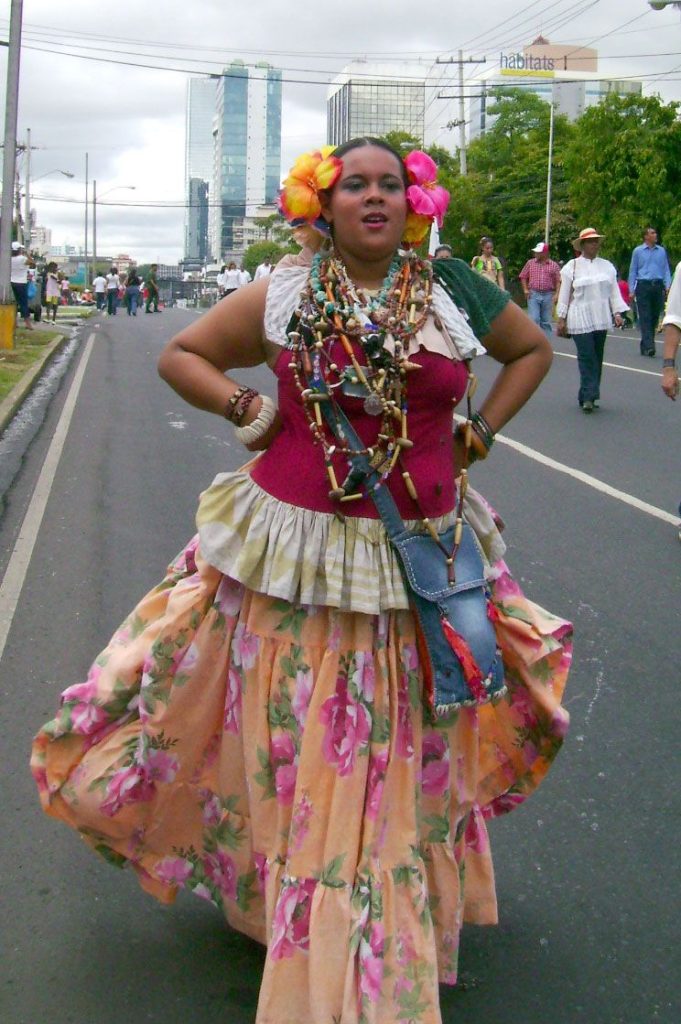
The most profound expression of Colón’s identity is the Congo culture, recognized by UNESCO as Intangible Cultural Heritage.
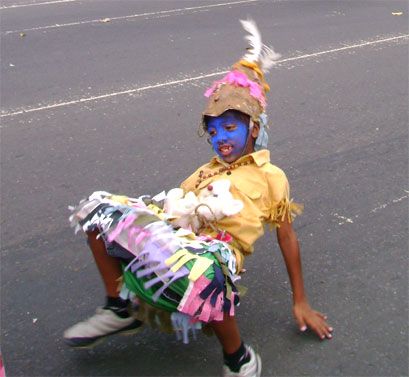
- The Ritual of Resistance: If you have never witnessed a Congo dance, you are missing one of the most interesting manifestations of Caribbean culture. Born as a parody of the Spanish monarchy by enslaved populations, the dance features “Cimarrones” (escaped slaves) outsmarting the devil.
- The Queen and the Devil: Led by the “Reina Conga” and assisted by characters like “El Pajarito” and “Juan de Dios,” the participants battle spiritual and colonial forces, finding a sense of freedom through the frenzy of the drum and the dance.
IV. The Mysteries of the Black Christ (El Cristo Negro)
Portobelo is home to one of Panama’s most fervent religious traditions: the devotion to the Black Christ. Thousands of pilgrims travel from across the country to pay penance or offer thanks for miracles.
- The Legends: Local lore offers several origins for the statue. One tells of a ship unable to leave the port toward Cartagena due to violent storms, only to find calm once a heavy crate containing the Nazarene was tossed overboard. Another claims fishermen found the box floating during a cholera epidemic, which miraculously ended once the Christ was brought to the church. Regardless of the legend, the statue remains a powerful symbol of faith and identity for the 3,000 residents of Portobelo, most of whom are descendants of those brought to the coast centuries ago.
V. Exploring the Province: A Practical Expat Guide
Getting to Colón from Panama City is a journey of approximately one hour through the Transístmica Highway or using the Panama-Colón Expressway. Here is how you can navigate the province:
- By Car: The Transístmica Highway leads you directly to the Atlantic city. The route is well-signposted from Panama City.
- By Bus (not recommended): Buses depart from the Albrook Terminal, arriving in Colón in approximately 50–60 minutes. From the Colón terminal, local taxis (many drivers are English-speaking) can take you to your final destination.
- By Rail (Recommended): The Panama Canal Railway offers a scenic journey through the lush rainforest along the banks of the Canal. It is the most beautiful way to observe the water reserves and transit ships.
- By Air: While local carriers have historically serviced the area, ensure you check current schedules from Albrook’s Gelabert Airport (PAC) for short flights to the Atlantic coast.
VI. Must-Visit Landmarks
- Gatun Dam: Venture into the jungle to see this engineering marvel. Built to dam the Chagres River and form Gatun Lake—once the largest artificial lake in the world—it is vital to the Canal’s operation.
- San Lorenzo Ruins: Located at the mouth of the Chagres River, these ruins stand against the advancing jungle. It was here that pirate Henry Morgan sailed during his raid on Old Panama. The fort is about an hour from Colón City.
- Portobelo Bay: Visit the restored Customs House (Aduana), where gold from Peru was once stored before being shipped to Spain. Today, it is a paradise for divers, with several operators offering world-class underwater experiences.
- Isla Grande: Located half an hour beyond Portobelo, this Caribbean destination offers crystal-clear waters and white sands. Visit “La Punta” beach, explore the mangroves, or hike to the lighthouse for the best view of the Atlantic.
Navigating with Care: A Note on Safety in Colón City
While the province of Colón is home to breathtaking historical sites and vibrant culture, the City of Colón (the downtown area) requires a cautious approach. Decades of economic challenges have left much of the historic city center in a state of significant deterioration, and certain neighborhoods face high rates of gang activity and social instability.
For your safety and peace of mind, we recommend the following when exploring the city limits:
- Hire a Trusted Local Guide: This is the best way to navigate the area. A professional guide knows which streets are safe, can introduce you to local artisans, and provides an essential layer of security.
- Stay in Tourist Areas: If you are visiting the Free Zone (Zona Libre) or the cruise terminals, use official transportation and avoid wandering into residential side streets on foot.
- Daytime Visits: Plan your urban explorations for the daylight hours and always remain aware of your surroundings.
- Go Direct to the Coast: Most expats choose to head directly to the Costa Arriba (Portobelo, Isla Grande) or Costa Abajo (San Lorenzo) via the Expressway, as these rural and coastal areas are generally much safer and better suited for independent travel.
Conclusion: Why the Atlantic Soul is Your Story Too
Colón is not just a place to visit; it is a vital part of the Panamanian identity. For the expat looking to build a life here, embracing the Atlantic’s history, food, and people is the key to a truly integrated experience. Panama’s Afro-Caribbean heritage is the thread that connects the past to the future—and as a resident, you are now part of that continuing narrative.