
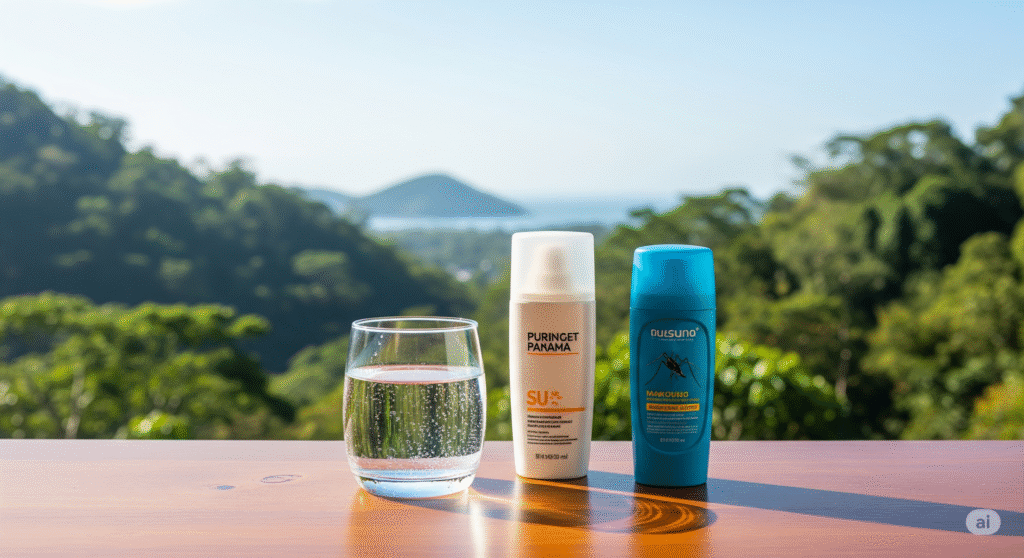
Moving to Panama comes with incredible benefits — warm weather, affordable healthcare, and a vibrant lifestyle. But living in the tropics also requires adapting to new health habits. Expats who have settled here agree: the key to staying well is a proactive approach tailored to Panama’s unique environment.
Sun Protection: Your Daily Routine Must-Have
One of the first lessons new arrivals learn is the strength of the tropical sun.
What expats recommend:
- Apply high-SPF sunscreen every day, even when skies are cloudy.
- Wear lightweight long-sleeve shirts, wide-brimmed hats, and sunglasses.
- Keep sunscreen in your bag for reapplication during the day.
👉 A long-term expat in Coronado said, “The sun here is no joke. Sunscreen isn’t optional — it’s survival.”
Protecting Against Mosquitoes
Mosquitoes are more than just a nuisance; they can carry illnesses like dengue, chikungunya, or Zika.
Tips from expats:
- Use repellent with DEET, especially at dawn and dusk.
- Install screens at home and use mosquito nets when sleeping in rural areas.
- Keep repellent handy at all times — many describe it as “your best friend in Panama.”
Food and Water Safety
Panama offers amazing local cuisine, but smart choices will help you avoid stomach issues.
Expats’ observations:
- In Panama City, tap water is generally considered safe, but many still prefer bottled or filtered water. Outside the capital, bottled water is strongly recommended.
- Street food can be delicious, but choose stalls that look clean, cook food fresh in front of you, and avoid items left sitting in the sun.
👉 One retiree explained: “Street food is part of the culture, but I stick to vendors where the grill is hot and the line is long. That’s usually a good sign.”
Vaccinations and Preventive Care
Panama does not require vaccines for most visitors, but long-term expats often recommend reviewing your immunizations.
Most commonly advised:
- Hepatitis A and B
- Tetanus
- Typhoid and Yellow Fever (if traveling to rural or jungle regions)
⚠️ Important: These are personal recommendations from expats, not medical advice. Always consult your doctor or a travel clinic for personalized guidance.
Paperwork and Insurance Preparedness
Beyond medical habits, expats stress the importance of being prepared with documents and insurance.
- Keep a copy of your health insurance card and ID with you at all times.
- Save the phone numbers of nearby hospitals (public and private) in your phone.
- If you don’t speak Spanish, consider carrying a small medical phrase card or using a translation app for emergencies.
Lifestyle Tips for Long-Term Health
- Stay hydrated: Tropical heat means you need more fluids than back home.
- Exercise smart: Outdoor activity is best early in the morning or late in the afternoon.
- Build a support network: Join expat groups or local communities — they often share valuable health tips and trusted doctor referrals.
Conclusion
Staying healthy in Panama isn’t complicated, but it does require awareness and preparation. With sunscreen, insect repellent, safe food and water habits, and a little planning, expats can enjoy the best of Panama’s tropical lifestyle while minimizing health risks.
Frequently Asked Questions About Health Tips for Expats in Panama
Is tap water safe to drink in Panama?
In Panama City, tap water is generally safe, but many expats prefer filtered or bottled water. In rural areas, bottled water is recommended.
Do I need special vaccinations to live in Panama?
Most expats recommend Hepatitis A & B and Tetanus. If you plan to travel to rural or jungle areas, the Typhoid and Yellow Fever vaccines may be useful.
Are mosquito-borne illnesses common in Panama?
Yes, diseases like dengue and chikungunya exist. Expats recommend daily use of insect repellent and installing screens at home.
How do expats stay healthy under Panama’s tropical sun?
Daily sunscreen, hats, long sleeves, and avoiding midday sun are the most common tips.